Recovery,
refined.
15+ years of clinical excellence across East Anglia. We don't just treat symptoms; we identify the root cause to restore your body's true potential.
15+
Years Experience
13
Clinic Locations
100%
HCPC Registered
Insurance Approved
Our Expertise
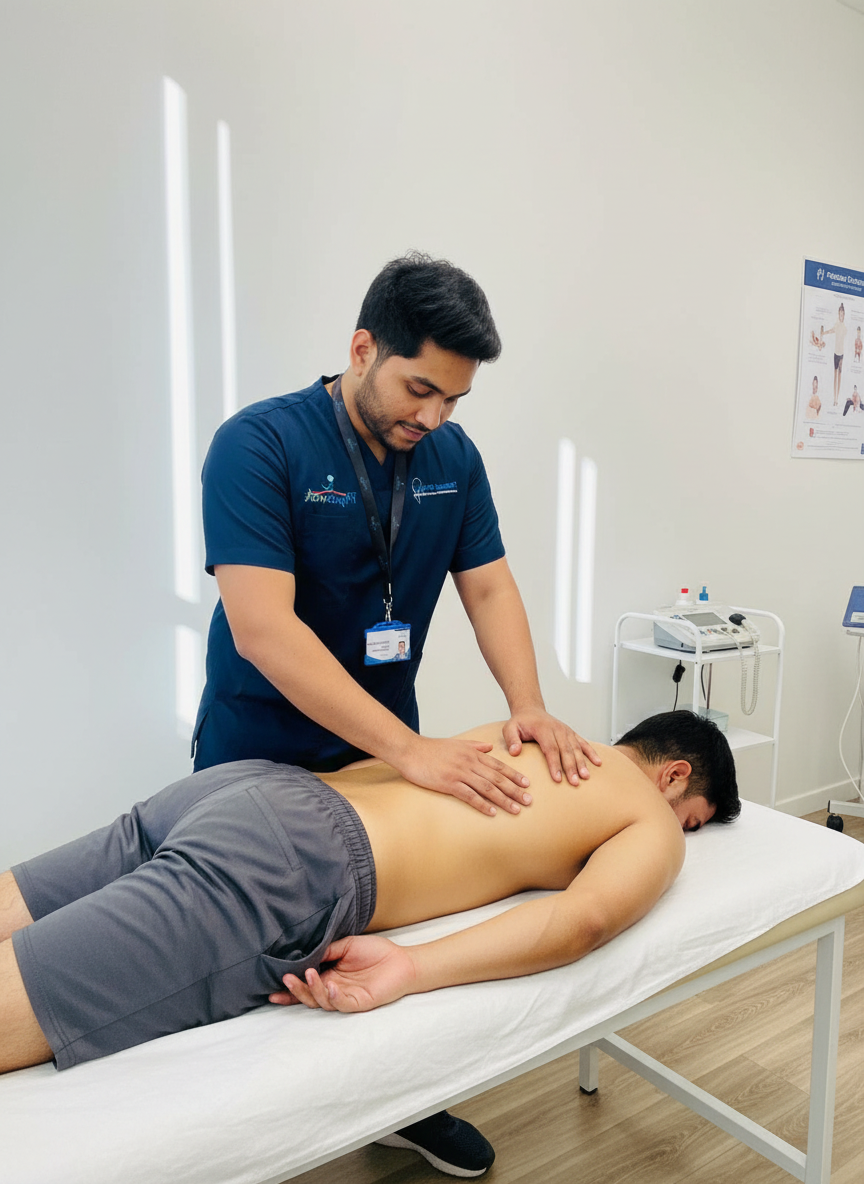
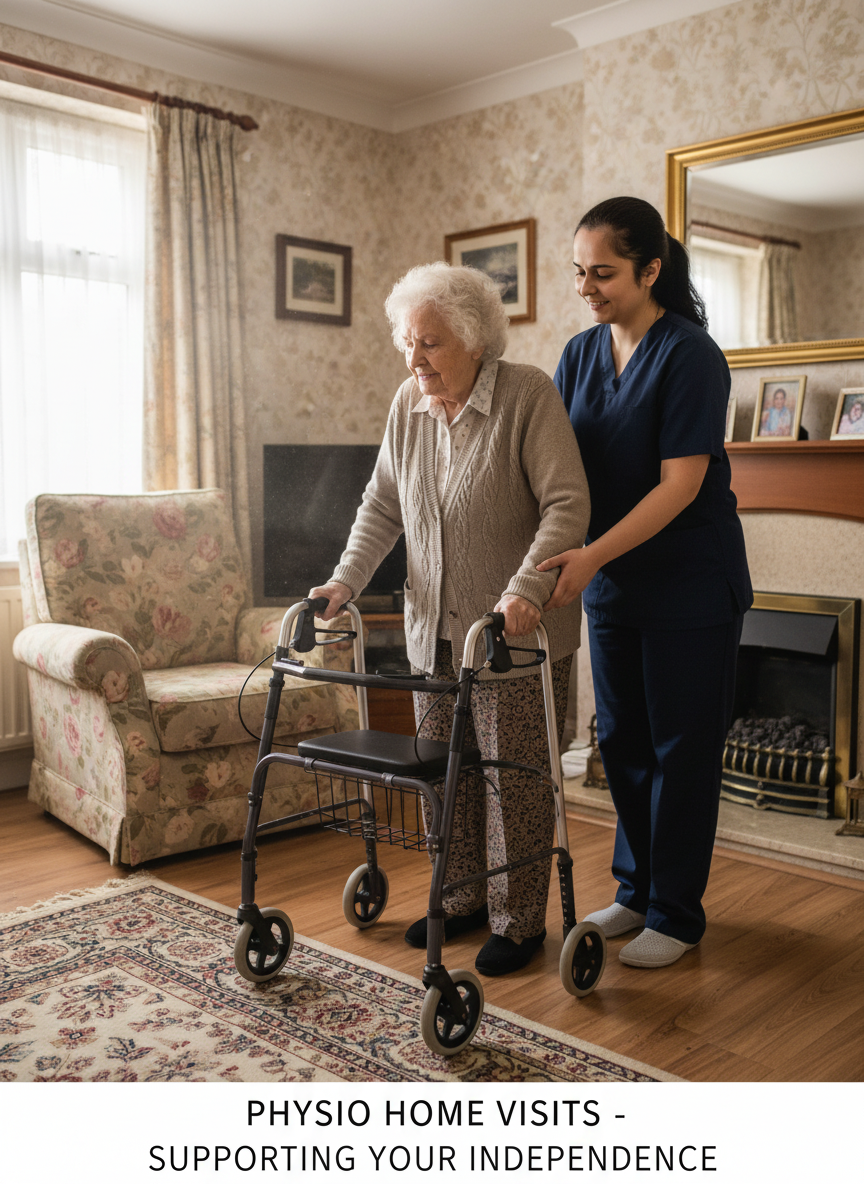
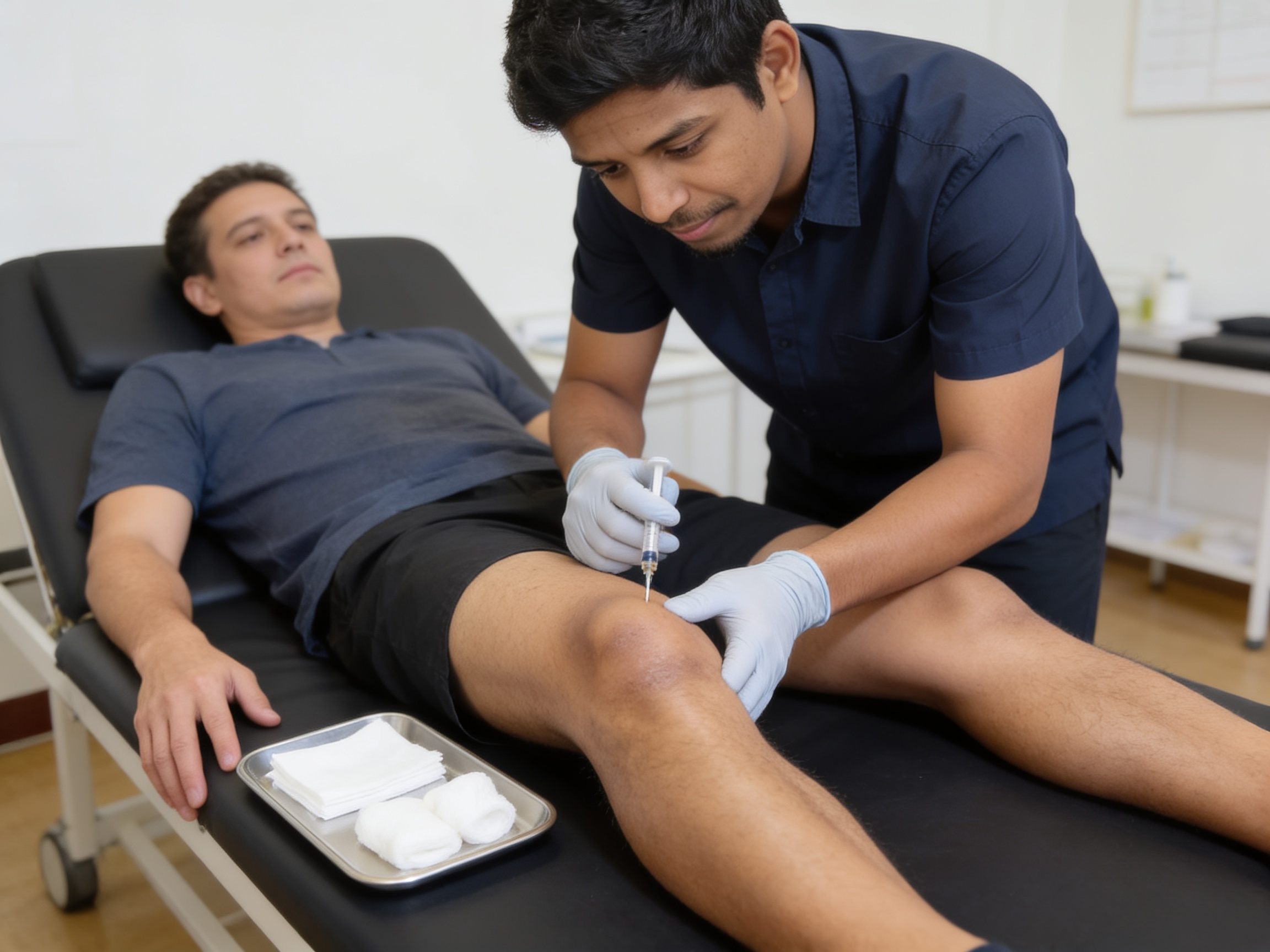
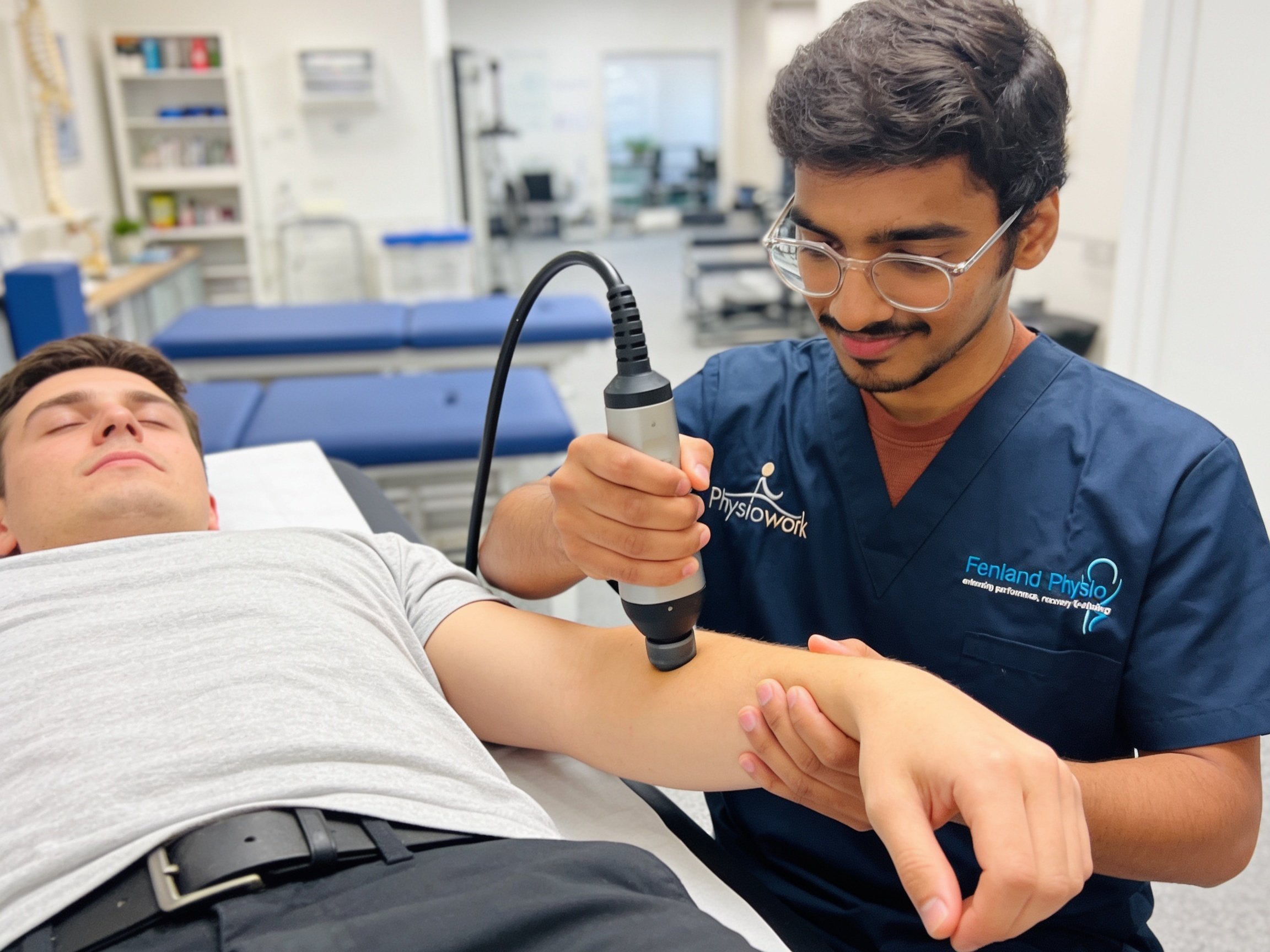
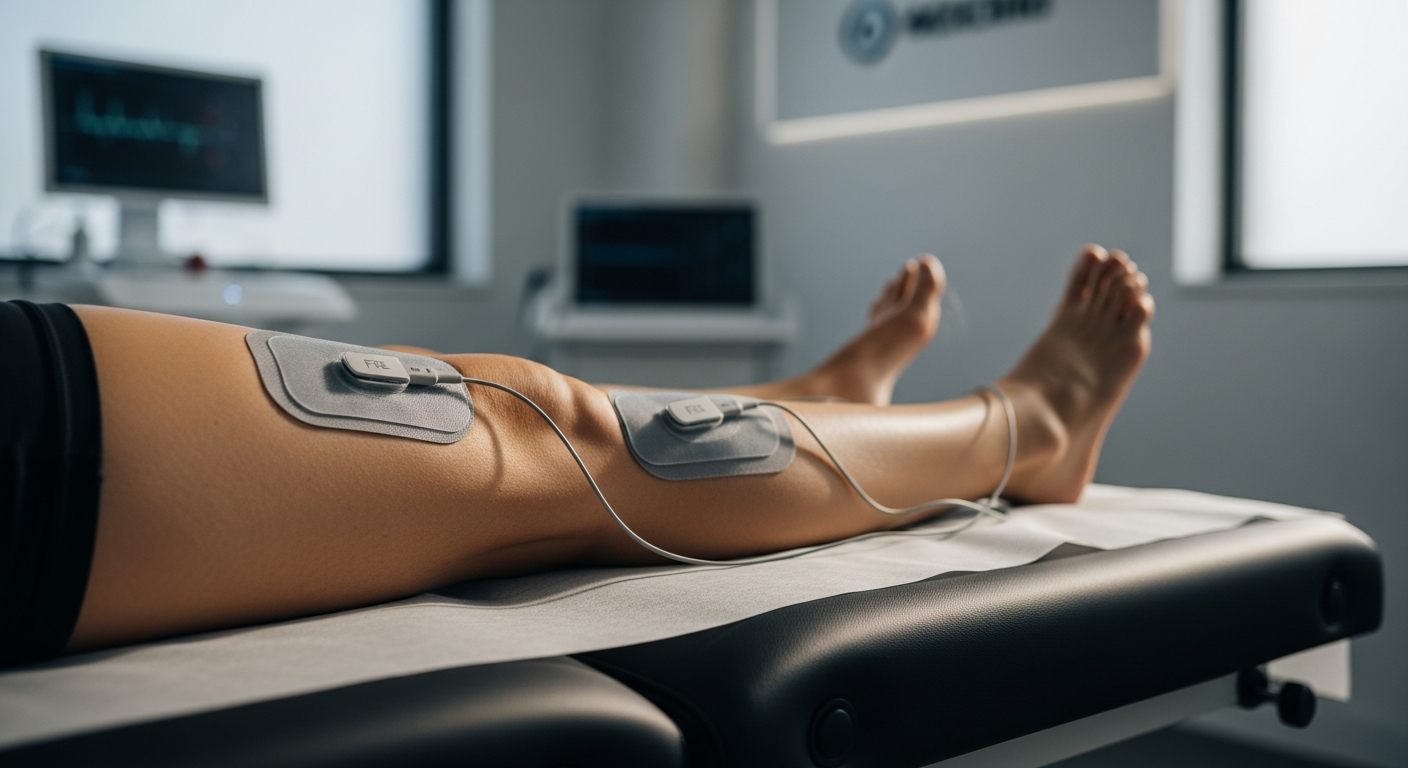
Comprehensive treatments tailored to your specific condition, delivered by specialists.

Always near you.
With 13 clinics across Norfolk, Suffolk, Essex, Hertfordshire, Cambridgeshire and Buckinghamshire, expert care is never far away. Each location is equipped with modern facilities to support your recovery.
- State-of-the-art rehabilitation equipment
- Private, comfortable consultation rooms
- Easy access and parking at most locations
Meet the Experts
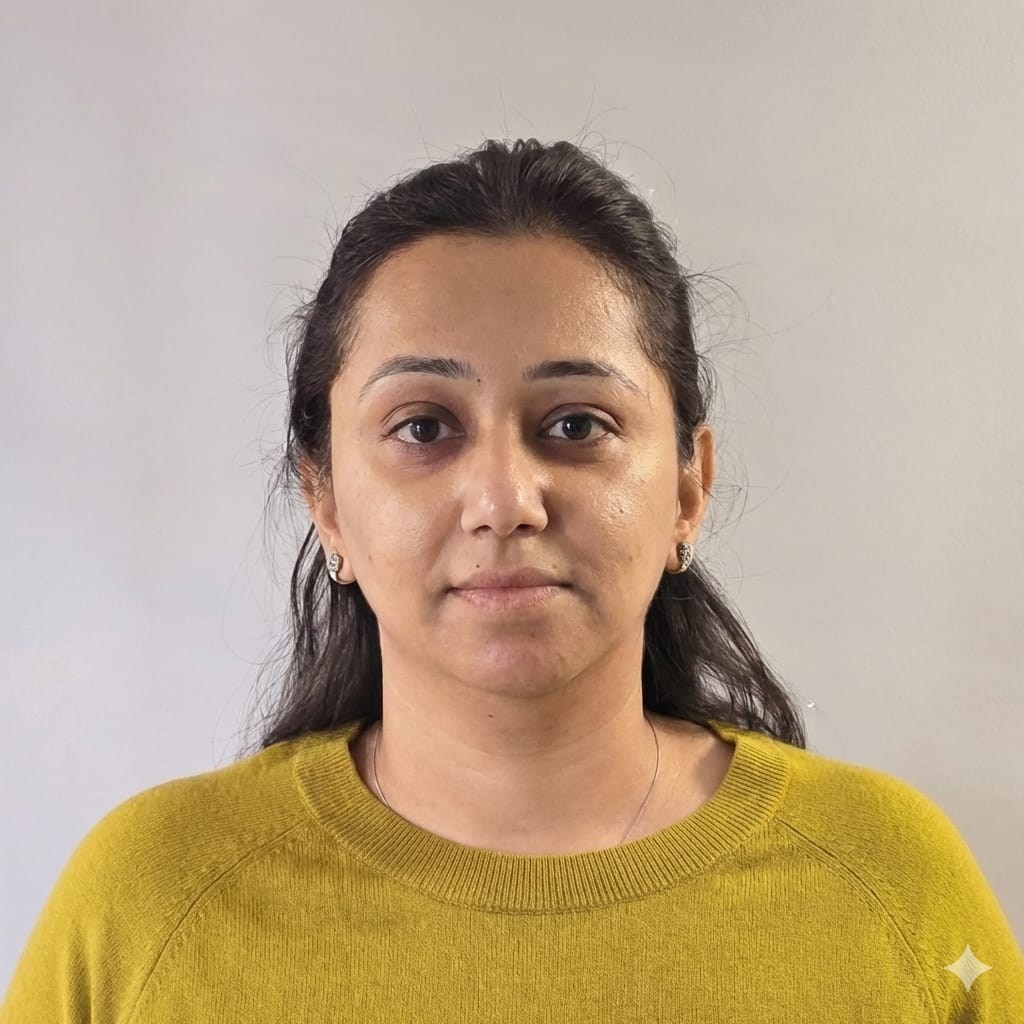
Our team of HCPC registered physiotherapists are dedicated to clinical excellence.



Patient Stories
"The care I received at the Bury clinic was outstanding. From my first assessment to the final hydrotherapy session, the team made me feel confident and supported. I am back to walking pain-free much sooner than I expected."
Sarah M.
Post-operative Knee
"I had struggled with back pain for years before finding PhysioWork. They didn't just give me generic exercises; they found the root cause. The combination of manual therapy and a tailored gym program changed my life."
David T.
Chronic Back Pain
"As an amateur runner, an Achilles injury was devastating. The sports therapy and shockwave treatment I received got me back on track. The level of expertise here is what you would expect for professional athletes."
Emma R.
Sports Injury
Ready to live without pain?
Book an assessment today and let our expert team build your personalized recovery plan.